
Orthopedic Splints
DynaFlex has over 50 years of experience fabricating orthopedic splints and offers a fully digital process in design and manufacturing. Two digital options are available; you can choose between printed fabrication, or custom milled fabrication. DynaFlex is experienced at constructing a variety of splints custom made to the specific needs of your patient. The splints pictured are some of the more commonly requested designs used to treat TMJ dysfunction. Additional splint designs are available upon request.
Ready To Submit A Case?
Schedule A Meeting To Learn More
DynaFlex Printed Splints
OPTION 1
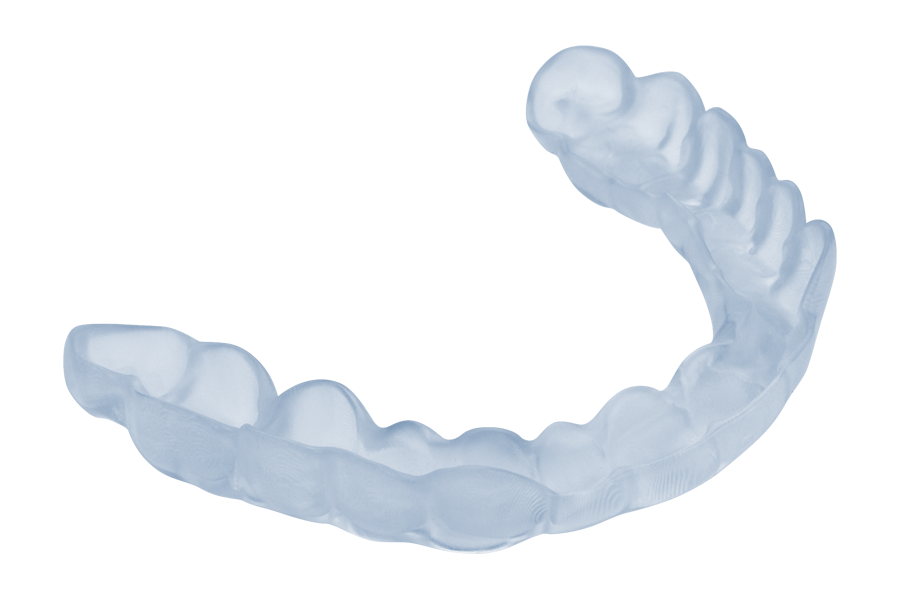
The DynaFlex Printed Splints are a fully biocompatible thermal material that is strong, but flexible. These splints are tough enough for your bruxism patients while offering the flexibility and softness your patients demand.
DynaFlex Milled Splints
OPTION 2
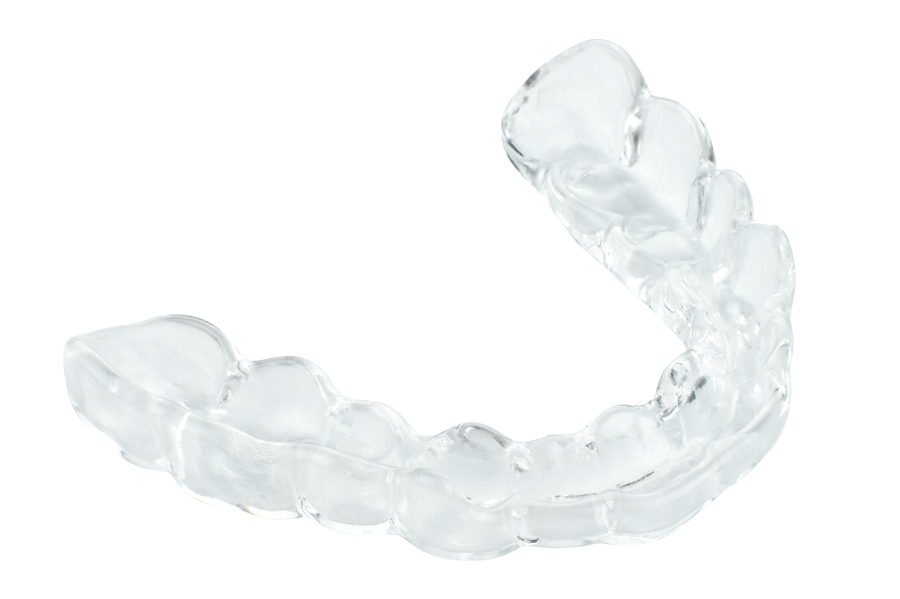
The DynaFlex Milled Splints are fabricated with our 5-axis milling machines which provides incredible fit, precision and great durability. This is a terrific choice for patients who experience bruxism/grinding and want a clear device.
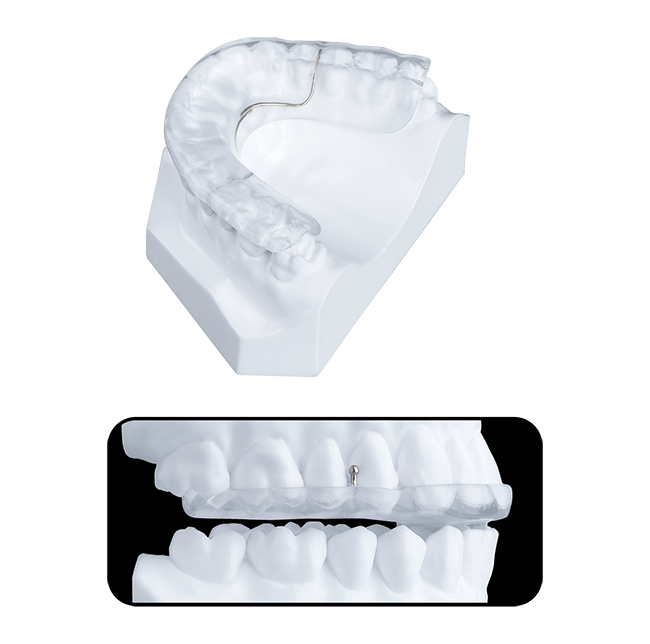
Maxillary Anterior Deprogrammer
Full coverage splint, most often used for clenching and bruxing problems. A flat platform lingual to the upper incisors is designed to provide contact with the lower incisors. The lower posterior teeth are held out of occlusion which differentiates this splint from a maxillary flat plane splint.
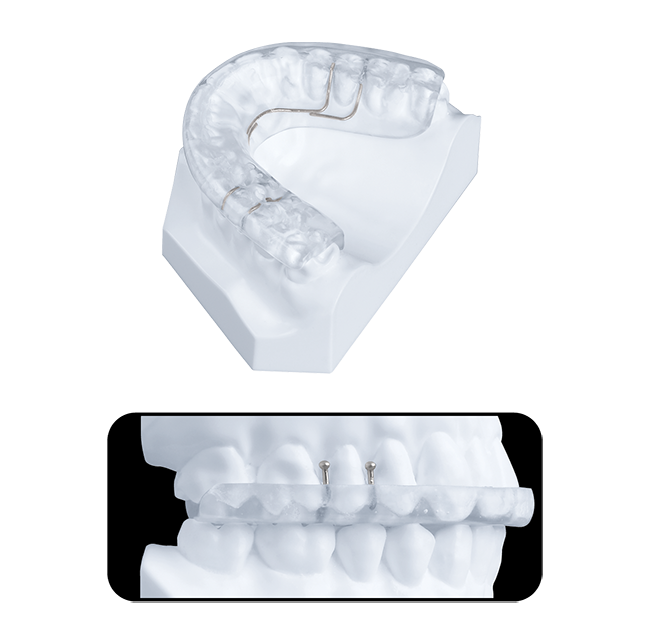
Maxillary Flat Plane
An upper splint crafted for uniform contact of lower teeth, often featuring cuspid disclusion or anterior guidance. Primarily employed as a traditional night guard to address occlusion issues.
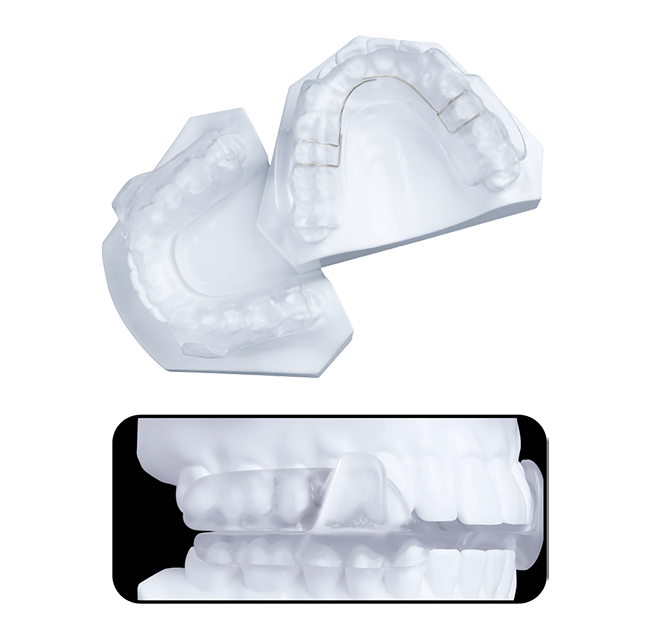
Dorsal Splint
A night splint for mandibular repositioning, featuring a dorsal fin that connects with the maxillary appliance to prevent the lower jaw from retracting during sleep. Typically made from dual laminate material, it can also be crafted with traditional acrylic.
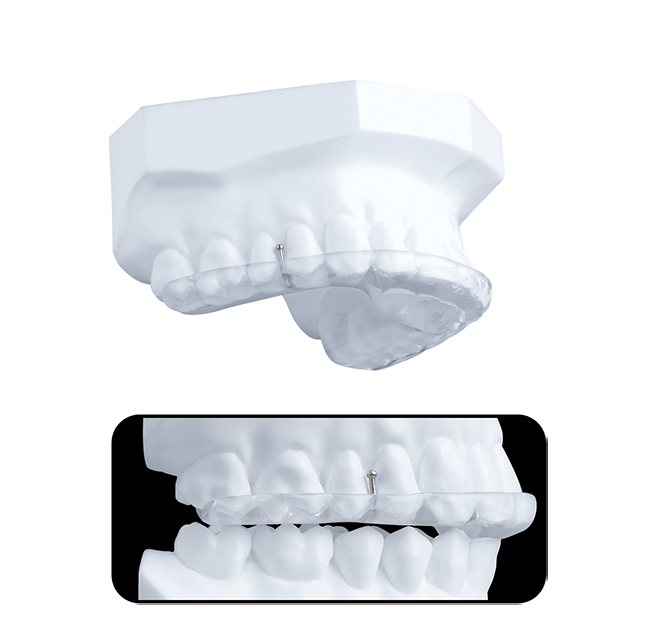
Farrar Splint
Full coverage splint, most often used for clenching and bruxing problems. A flat platform lingual to the upper incisors is designed to provide contact with the lower incisors. The lower posterior teeth are held out of occlusion which differentiates this splint from a maxillary flat plane splint.
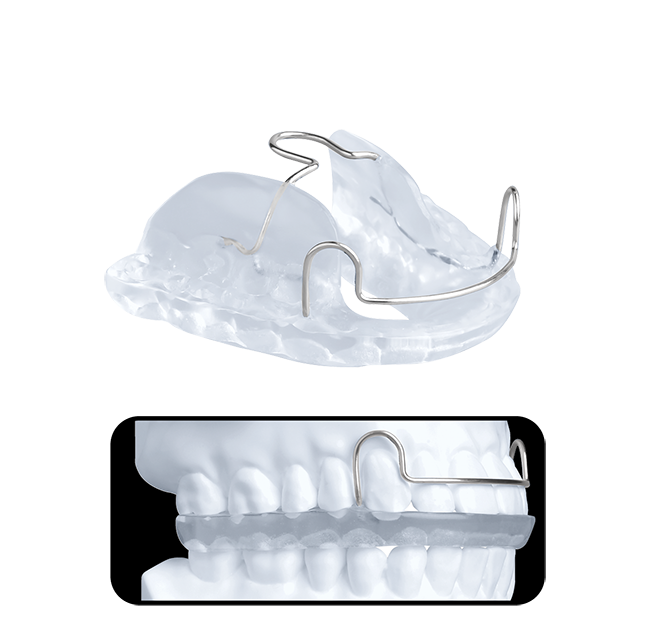
Stack Bionator
A monoblock style appliance that aggressively holds the lower jaw in a down and forward position. This is most commonly used in adult post mandibular repositioning patients to prevent dual bites from occurring. It is considered a night-time appliance.
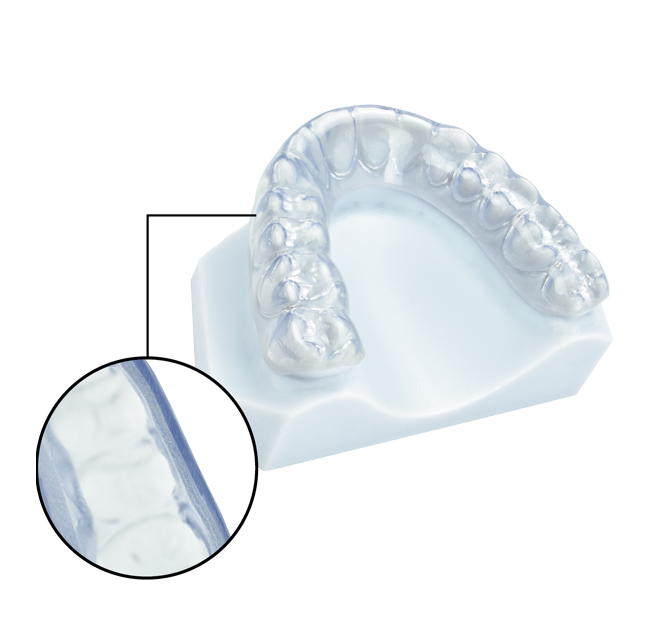
Dual Laminate
A monoblock style appliance that aggressively holds the lower jaw in a down and forward position. This is most commonly used in adult post mandibular repositioning patients to prevent dual bites from occurring. It is considered a night-time appliance.
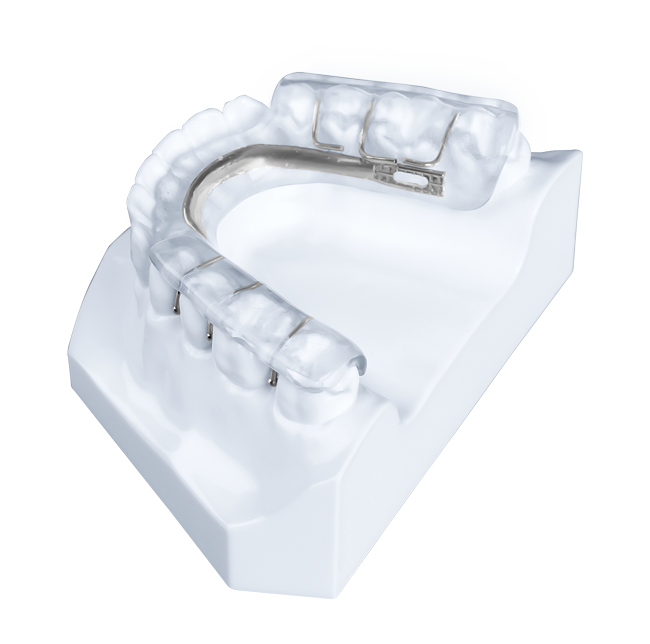
Modified Gelb
Most popular splint similar to Gelb splint with the addition of anterior acrylic for additional support.
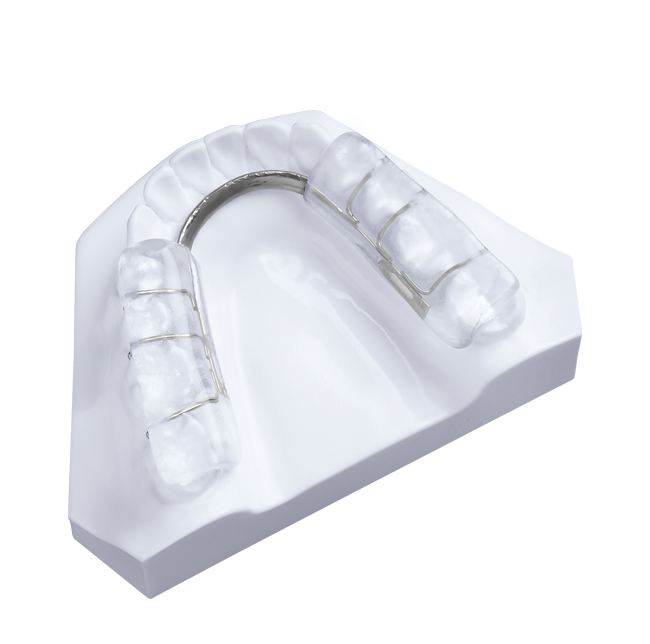
Gelb
A traditional lower diagnostic splint. Most commonly used to establish proper vertical dimension with slight-to-moderate anterior repositioning. The amount of repositioning dictates how heavily indexed the posterior bite pads become.
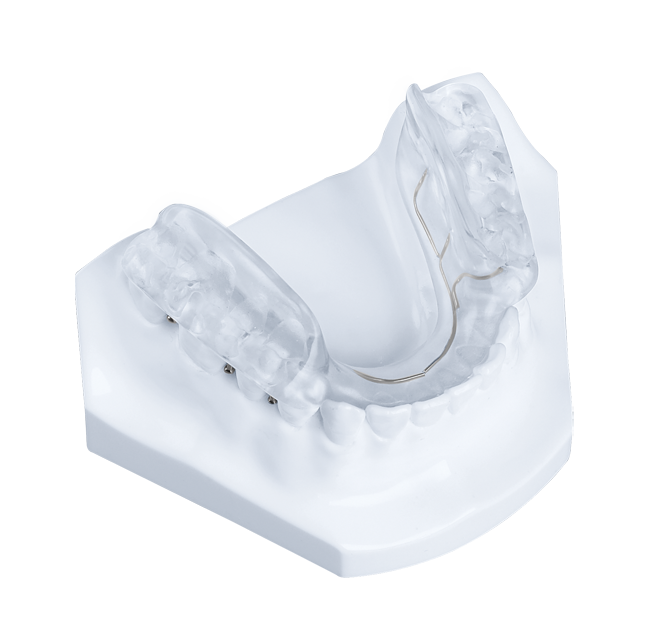
Pull Forward Splint
Mandibular splint designed to aggressively reposition the lower jaw to a down and forward position. The lingual flanges help guide the mandible to a specific position. They also help prevent lateral movements, and are generally reduced over time as the patient becomes comfortable in the new position.
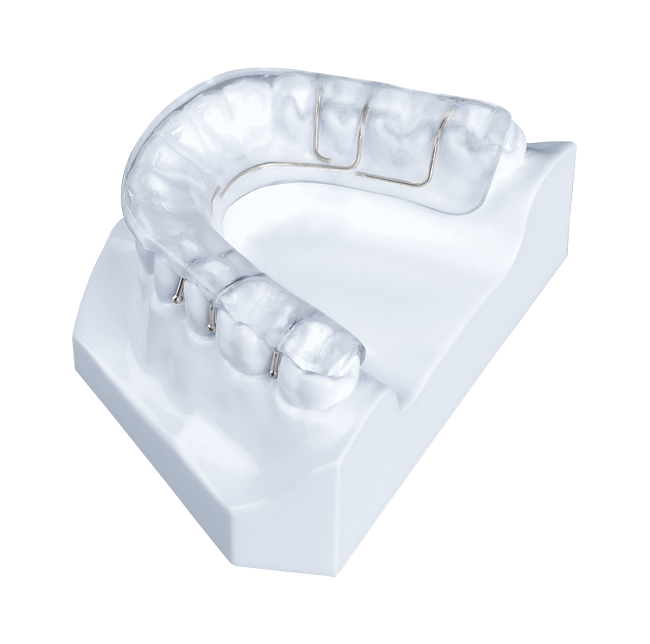
Tanner
Popular lower splint that includes both posterior support as well as an anterior cap of acrylic. This cap is a common addition on patients who will wear this splint for an extended period of time.
Luco
Lower splint fabricated on the buccal as opposed to the lingual. This is a patient friendly splint as it preserves tongue space. Similar to other lower splints, the amount of repositioning is controlled by the design of indexing of the upper posterior teeth into the occlusal pads.
